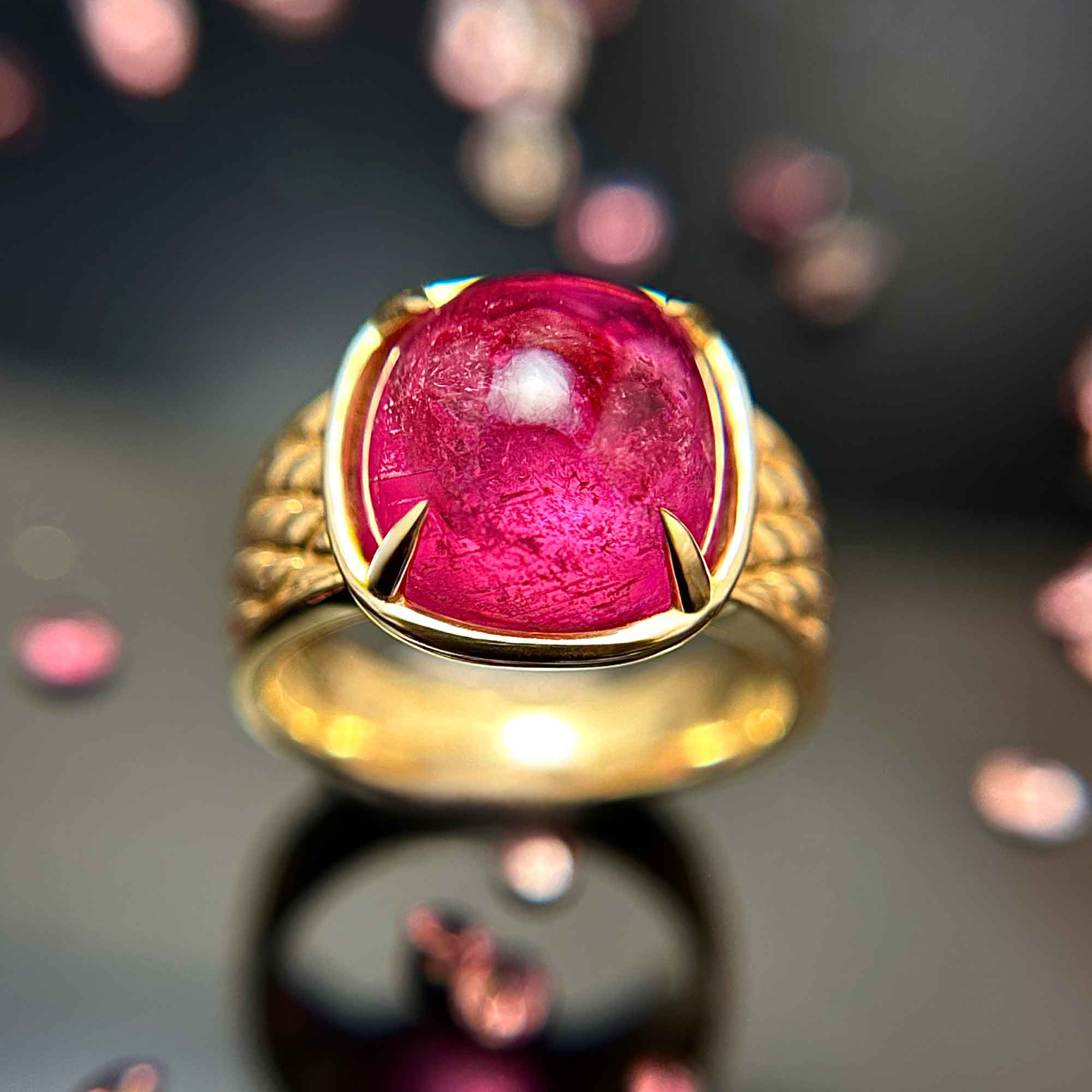
The Evolution of Goldsmithing Techniques in 2026
The following article is written by Christopher Duquet, founder of Christopher Duquet Fine Jewelry, Master Gemologist, designer, and goldsmith, drawing on decades of experience in jewelry design and fabrication.
For my entire career I have identified first and foremost as a goldsmith. More specifically, I am a designer-goldsmith. I design jewelry and then bring those ideas to life with my own hands, working in gold, platinum, gemstones, and other materials.
During the decades I have practiced this craft, I have witnessed more paradigm shifts than at any other time in goldsmithing’s long history. The pace of innovation today is extraordinary, and it is fundamentally changing how jewelry is imagined, designed, and manufactured.
For thousands of years, goldsmithing remained remarkably consistent. It was an artistic discipline built upon highly refined manual skills, knowledge passed from master to apprentice, and techniques that changed only gradually over centuries. One of the greatest technological leaps came with the introduction of electricity. Electric motors transformed polishing, drilling, and finishing, making work faster and more precise, but the craft itself remained largely unchanged.
Today, however, we are living through an entirely different kind of revolution.

How the CAD Revolution Impacted Jewelry Design
Although computers had already become commonplace in society, it wasn’t until Computer-Aided Design (CAD) became accessible on desktop computers roughly twenty-five years ago that the jewelry industry truly began to evolve.
CAD introduced capabilities that traditional fabrication alone could never achieve. At first, adoption was slow, as many craftsmen questioned whether digital design belonged in such an ancient profession. Over time, however, CAD opened a remarkable new world of creativity.
Soon afterward came Computer-Aided Manufacturing (CAM). CNC milling machines and, later, 3D printing transformed digital models into physical objects with astonishing precision. Rather than replacing goldsmiths, these technologies expanded what skilled designers could create.
At nearly the same time, laser welding and laser engraving became affordable enough for independent studios. What were once specialized industrial tools became standard equipment in many professional workshops, allowing repairs, assembly, and engraving that would have seemed impossible only a generation earlier.
The Importance of Traditional Goldsmithing Skills
Ironically, as technology has advanced, traditional goldsmithing skills have become even more valuable.
Hand fabrication, forging, soldering, engraving, stone setting, and casting remain essential to exceptional jewelry. These are the “analog” skills developed by generations of master craftsmen whose experience cannot simply be replaced by software.
Technology is most powerful when it serves craftsmanship. The finest jewelry still demands the judgment, intuition, and artistic sensitivity that only an experienced goldsmith can provide.
The Impact of AI on Goldsmithing
Today we are entering the next stage of that evolution: Artificial Intelligence.
AI-integrated design software is still in its infancy, but it already represents another major turning point in creative practice. Rather than viewing AI as a replacement for the designer, I believe it should be viewed as a collaborator.
Like every new tool that has come before it, AI possesses remarkable strengths. However, it also possesses clear limitations.
An AI system is only as effective as the person directing it. It cannot replace artistic vision, decades of technical knowledge, or the accumulated wisdom of an experienced designer. Instead, it amplifies those qualities when placed in capable hands. In many ways, AI is becoming the newest apprentice in the studio—one capable of extraordinary speed, endless experimentation, and fresh perspectives, while still relying on the guidance of a master craftsman.


The Goldsmith’s Toolbox Has Never Been Larger
Innovation is unlikely to slow. Each breakthrough inspires the next, creating an accelerating cycle of creativity.
Today’s designer-goldsmith must possess not only artistic vision but also an expanding collection of specialized skills. That has always been true. The difference today is that our toolbox has become dramatically larger.
We now have access to centuries-old hand techniques, advanced CAD software, precision manufacturing equipment, laser technology, and artificial intelligence within a single studio.
The possibilities have never been greater!
The Future: Blending Age-Old Techniques with Creativity
History and nature remain our greatest sources of inspiration. Technology simply gives us more ways to interpret them.
When timeless craftsmanship is combined with human imagination and the intelligent use of new tools, the future of goldsmithing becomes incredibly exciting.
I believe we are entering one of the most creative periods our profession has ever known. Those who embrace both tradition and innovation will shape the next generation of jewelry—creating pieces that are every bit as meaningful, beautiful, and enduring as the masterpieces that inspired us centuries ago.