Why is Investment Jewelry Trending?
If it feels like everyone from Wall Street analysts to your group chat is suddenly talking about jewelry investment, you’re not imagining it. Colored gemstones, gold, and heirloom-quality pieces are having a real moment as an asset class.
Here’s what’s driving the trend, whether investing in jewelry actually makes financial sense, and how to buy smart if you decide to build a collection with staying power.
Jewelry is the New Birkin Bag Investment
For years, the go-to “wearable investment” was the Hermès Birkin, a bag so scarce and coveted that resale prices routinely outpaced retail. That crown is slipping. Handbag resale premiums have actually softened recently, while fine jewelry has kept climbing. Leather, after all, wears out, goes out of style, and doesn’t contain a single gram of anything intrinsically valuable. Gold, diamonds, and gemstones do.
Origins of the “Portable Wealth” Trend
Portable wealth is described as a growing appetite among high-net-worth buyers for assets that are physically compact, privately held, and easy to move.
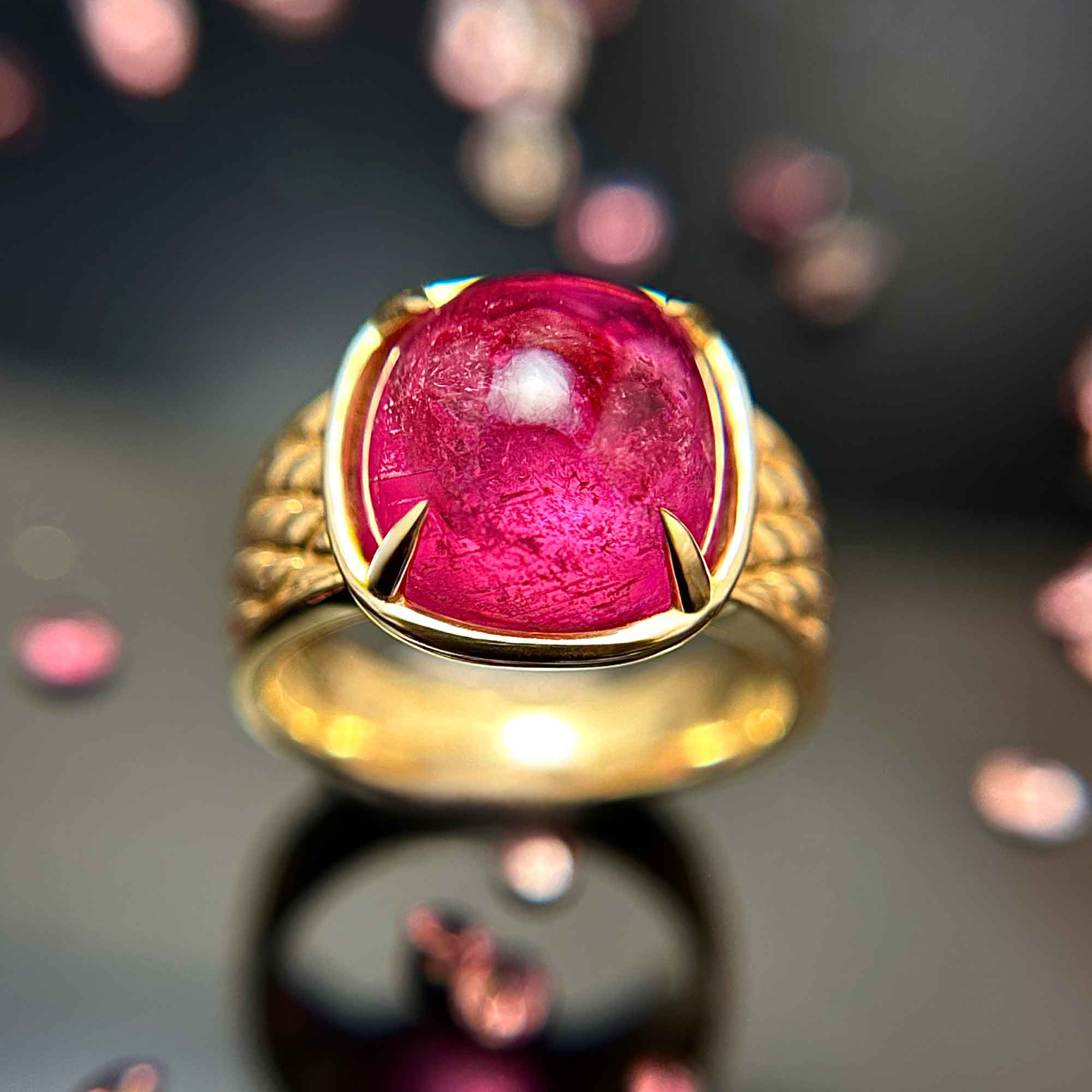
According to multiple trend reports, wealthy buyers are increasingly favoring natural colored gemstones (especially ruby, emerald, and sapphire) as hard-asset stores of value, with untreated, well-documented stones commanding significant premiums over treated ones. The market is rewarding provable rarity, backed by certification and clear origin.
According to CNBC, macroeconomic volatility tends to push people toward hard, tangible assets that hold or gain value when inflation rises; and gemstones like rubies, sapphires, and emeralds have become especially popular with ultra-wealthy buyers seeking alternatives to more conventional holdings. Surging gold prices have only added fuel.
Geopolitical uncertainty, stock market swings, and record gold prices have combined to make “wearable, portable, hold-in-your-hand” wealth grow in appeal.
Is Investing in Jewelry a Good Idea?
The honest answer is: it depends on your goals, and it should never be your only strategy. Here are the pros and cons.
The Case For Jewelry as an Investment
- They are tangible, private, and portable. Unlike stocks or real estate, jewelry can be worn, stored privately, and carried across borders with you.
- There is inflation resistance. Gold and rare gemstones have historically held value, and often appreciated, during periods of high inflation.
- There is no expiration date. A well-made piece doesn’t go out of style the way a handbag or sneaker might, especially if it comes from an established house or is crafted from timeless materials.
- They hold emotional and generational value. Investment-grade jewelry can double as an heirloom, carrying sentimental value that a stock certificate never will.
The Case Against Jewelry as an Investment
- Jewelry is not easily liquidated. Selling jewelry quickly, at fair value, is harder than selling a stock. You may need an appraiser, a reputable dealer, or an auction house, all of which take time.
- There is no passive income generation. Jewelry doesn’t pay dividends or interest. Its entire return depends on appreciation.
- Markups matter. Retail jewelry is typically marked up well above its raw material and labor cost. Buying “investment grade” pieces means shopping carefully, not just buying anything with a diamond in it.
- Storage and insurance costs. A serious collection needs secure storage and proper insurance, both of which eat into returns.
All in all: jewelry works best as a complement to a diversified portfolio, not a replacement for stocks, bonds, or real estate.


Tips for Buying Gold Jewelry as an Investment
Gold jewelry is often the easiest entry point into jewelry investing because its value is tied directly to a transparent, publicly tracked commodity price. Here’s what you should consider before starting:
- Is 14k gold jewelry a good investment, or should you look higher? 14k gold (58.3% pure) is more durable and often more affordable, making it a practical everyday-wear investment. 18k and 24k gold contain more actual gold by weight, meaning a bigger share of what you’re paying for is the metal itself rather than craftsmanship or design, which is why serious gold investors often lean toward 18k–24k for maximum metal value. 14k remains a smart, wearable choice for those who want durability alongside investment appeal.
- Value weight over design, if pure investment is the goal. Simpler, heavier pieces (chains, bangles, coins set in jewelry) track gold’s spot price more closely than intricate, labor-intensive designs.
- Buy from reputable sources with hallmarking. Always confirm karat stamps and buy from dealers who provide documentation.
- Understand you’re paying a premium. Retail gold jewelry costs more than its melt value because of craftsmanship, brand, and design. That premium is fine for a piece you’ll wear and love, but know it may take time for appreciation to outpace it.
Tips for Buying Diamonds and Gemstones as Investment Pieces
Diamonds and colored gemstones require a bit more expertise than gold, since their value depends heavily on quality grading rather than a public spot price.
For diamonds:
- Prioritize the 4Cs (cut, color, clarity, and carat) and always buy certified stones from a recognized lab (GIA is the gold standard).
- Rarity matters more than size. A smaller, exceptionally graded stone can outperform a larger, average one.
- Be aware that lab-grown diamonds, while beautiful and more affordable, have put pressure on natural diamond resale values. A natural, certified stone currently holds a stronger long-term investment case than a lab-grown equivalent.
For colored gemstones:
- Rarity and treatment status are everything. Untreated (“no-heat” ruby, “no-oil” emerald) stones can command dramatically higher prices than treated stones of similar size and color.
- Origin matters. Stones from renowned sources (Kashmir sapphires, Colombian emeralds, Burmese rubies, for example) typically carry a premium tied to documented provenance.
- Always buy with lab certification confirming treatment status and, where possible, origin.
- Rubies, emeralds, and sapphires dominate the investment conversation, but well-chosen alternatives like spinel or tsavorite can offer strong value at a lower price point for those building a collection.

What Holds Its Value? Timeless Pieces and Brands Worth Considering
Classic, versatile designs tend to outperform trend-driven styles because they’re always in demand. Well-proportioned solitaire engagement rings, diamond tennis bracelets, simple diamond studs, timeless gold chains, and signet rings have remained popular for decades and appeal to a broad range of buyers. In contrast, highly fashion-forward designs or pieces tied to a specific trend may be more difficult to resell once tastes change.
Materials matter just as much as design. Jewelry crafted from high-purity gold or platinum and featuring high-quality, certified gemstones generally holds its value better than pieces made with lower-value materials or heavily treated stones. Exceptional craftsmanship, strong brand recognition, and limited-production or vintage pieces from respected designers can also command higher resale prices, particularly when demand remains strong.
Finally, documentation plays a significant role in preserving value. Original receipts, diamond grading reports from reputable laboratories such as GIA, appraisals, branded packaging, and maintenance records all help verify authenticity and provenance, giving future buyers greater confidence. Keeping jewelry in excellent condition through regular cleaning, inspections, and professional maintenance can also make a meaningful difference when it’s time to sell or pass a piece down to the next generation.
Don’t Forget Ethical Sourcing
Some buyers, especially younger collectors, are placing real weight on a diamond’s traceability: where a stone was mined, whether it was ethically sourced, and whether the metal is recycled or responsibly obtained. Beyond being the right thing to do, well-documented ethical sourcing is part of what makes a piece “investment grade” in the eyes of the market. It adds a layer of verified provenance that supports long-term value.
Learn More About Custom Jewelry Design
Whether you’re drawn to a classic gold piece, a certified diamond, or a rare colored gemstone, the same principle applies: buy the best quality you can, understand exactly what you’re paying for, and choose pieces you’ll be proud to wear (and to pass down) for generations.
Interested in building a jewelry collection with both meaning and long-term value? Christopher Duquet specializes in custom fine jewelry crafted with responsibly sourced materials and heirloom-quality craftsmanship. Reach out to start designing a piece worth investing in.


