How to Select A Diamond Carat
While many people assume bigger is always better, the perfect carat weight actually depends on a variety of factors. Understanding what carat weight really means, how it affects a diamond’s appearance and price, and which factors matter most to you will help you make a confident choice. In this guide, we’ll walk you through everything you need to know about diamond carats throughout the engagement ring buying process. Understand how to maximize value, popular carat weights and styles, and key considerations that will help you find a diamond that’s truly perfect for you.
What is a Diamond Carat?
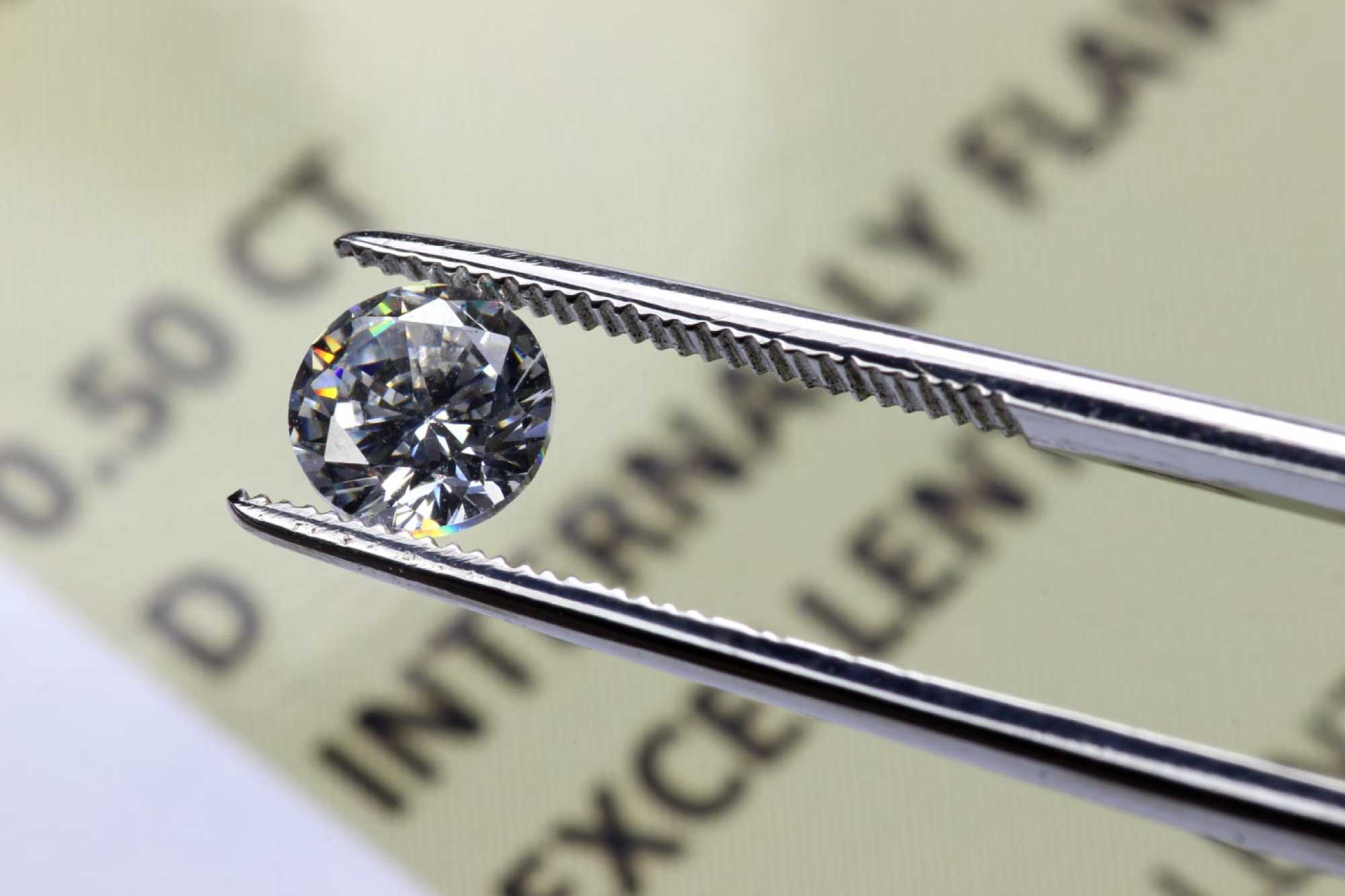
A carat (not to be confused with karat or carrot) is a measure of gemstone weight. One carat equals one-fifth of a gram and is typically expressed in hundredths. For example, 1.00 is one carat or 0.50 is half a carat.
The term originates from ancient times, when carob beans were used as a convenient standard of weight before accurate scales existed.
The Difference Between Carat Weight and Size
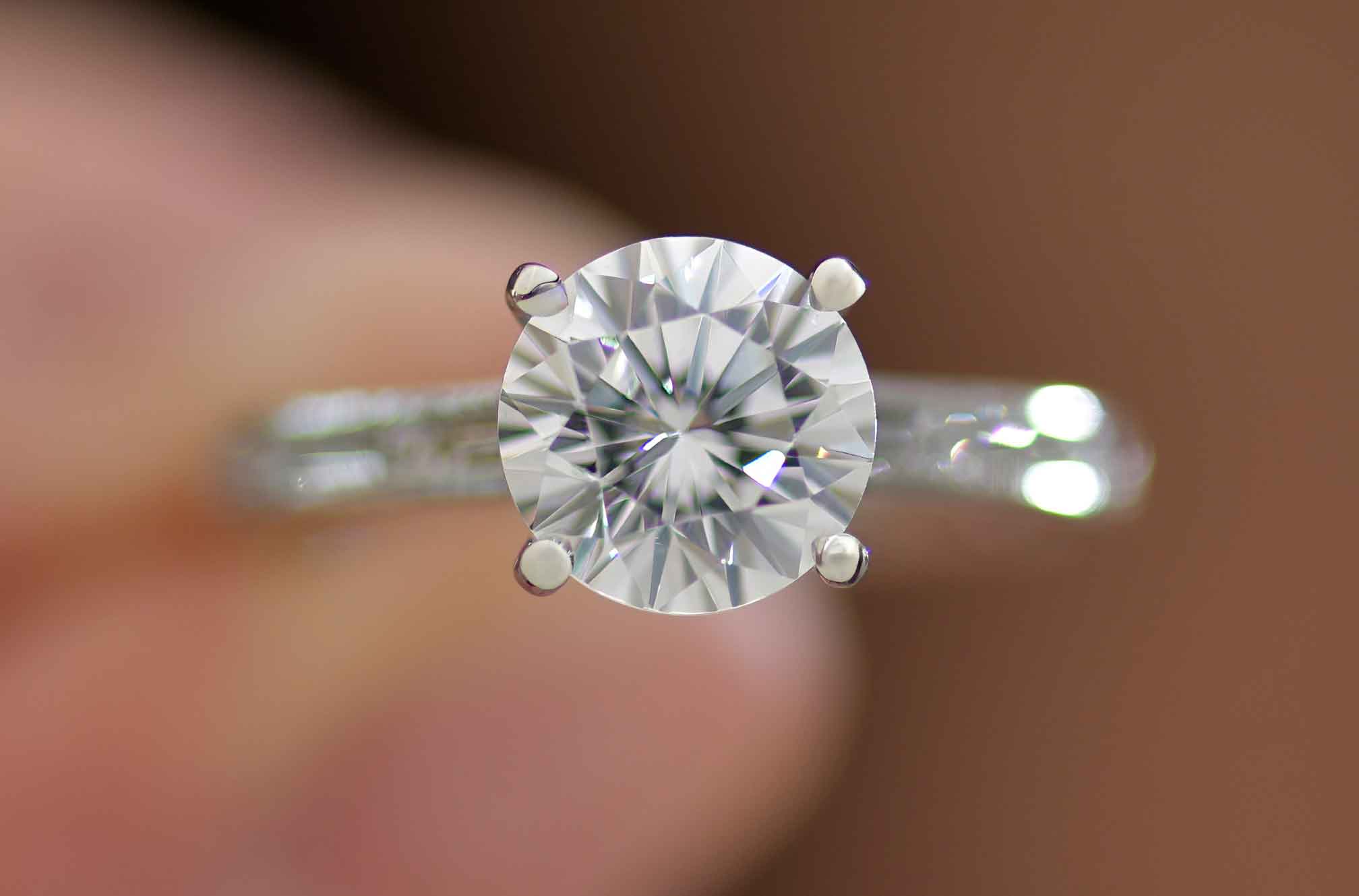
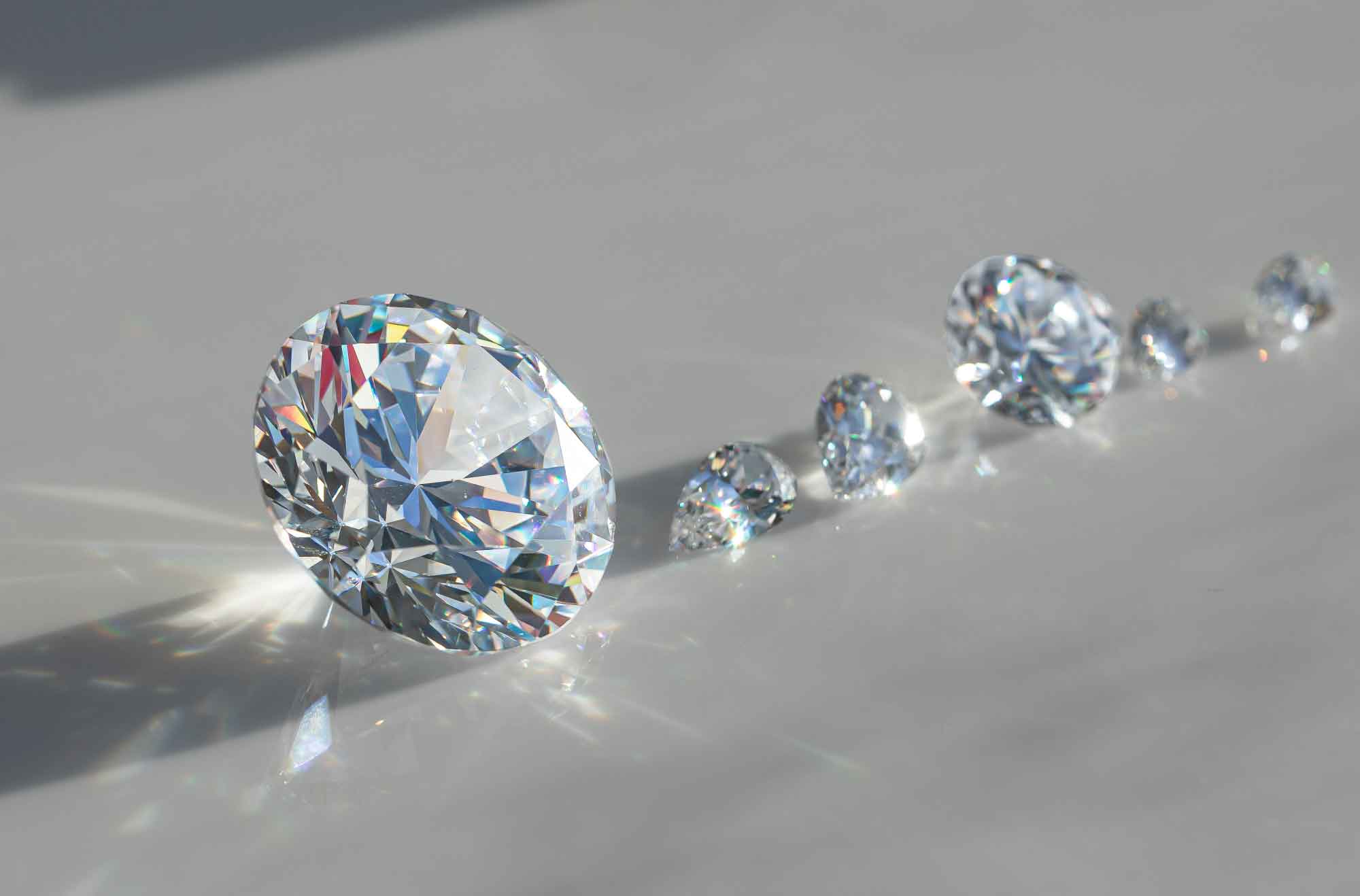
While some use the terms interchangeably, keep in mind that weight and gemstone size are two different things. Diamonds with identical carat weights can look quite different in size because their shape and cut affect how the weight is distributed. A skillfully cut stone with more surface area, for instance, may look larger than a poorly proportioned gem of the same weight.
H2: Considerations for Selecting the Perfect Carat Weight
An experienced jeweler can help you choose the perfect diamond size, carat weight, and style, keeping all of these factors in mind.
- Size and price: While larger carat diamonds grow exponentially more expensive, going just below a whole carat (like 1.9 instead of 2.0) can give you significantly better value. Diamond prices jump at these milestones while the visual difference is nearly impossible to detect.
- Finger size: Smaller fingers make diamonds appear larger, so someone with a size 4 finger might opt for a smaller carat weight than someone with a size 8.
- Setting style: Certain settings, such as halo or three-stone designs can make a center stone appear larger, allowing you to choose a smaller carat weight without sacrificing visual impact.
- Comfort with heavier diamonds: A heavier carat weight will feel heavier on your finger. Diamonds over 2 carats may feel substantial or even awkward at first, so consider trying on different sizes to see what feels natural for everyday wear.
- Personal lifestyle: If you work with your hands frequently or prefer understated jewelry, a smaller, more practical carat weight might suit your daily life better than a larger stone.
Factors that Impact Price at a Given Carat Weight
Many consider lab-grown diamonds if larger carat size is important, as they typically cost 60-80% less than natural diamonds of comparable quality. On the other hand, natural diamonds hold their value better over time, carry traditional symbolism and rarity, and may be important for heirloom pieces or resale potential. Our lab-grown diamond study found that 56% still prefer natural diamonds to synthetic.
Another factor that can impact price is a diamond’s shape, or cut. Round brilliant cuts are typically the most expensive due to their popularity and the amount of rough diamond lost during cutting. Fancy shapes like oval, pear, marquise, and emerald cuts cost less per carat.
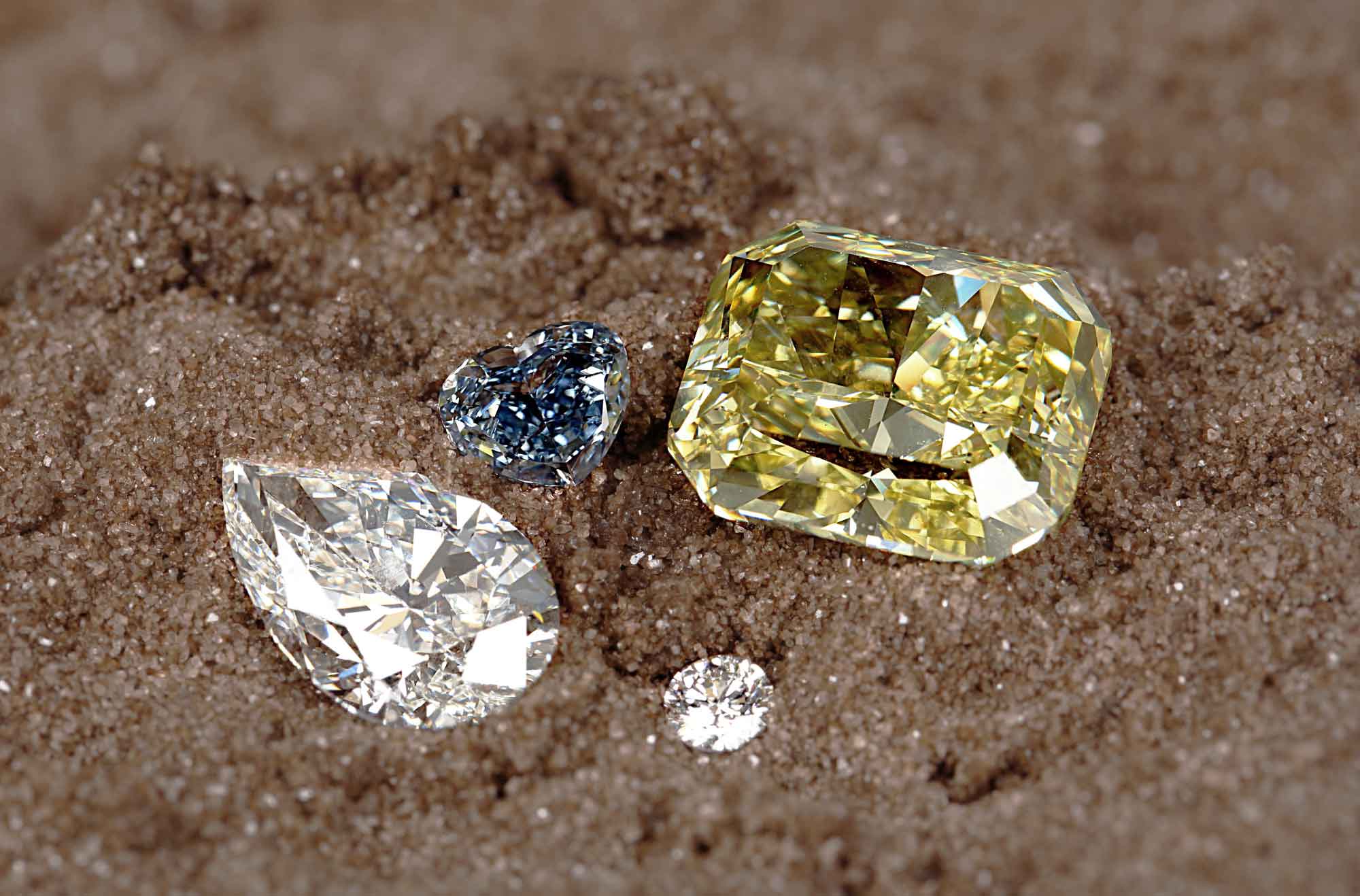
Diamonds are graded on a color scale from D (colorless) to Z (light yellow or brown). Opting for a near-colorless grade (G-J) instead of a truly colorless grade (D-F) can save you significantly, while the color difference is barely noticeable to the untrained eye, especially once the diamond is set.
Popular Carat Weights and Styles
Today, the most popular diamonds are between 1 and 1.5 carats, with an increasing interest in fancy cut solitaire diamonds and yellow gold settings. Carat weight preferences also shift with different engagement ring trends. Solitaire settings showcase larger center stones, allowing the diamond to be the focal point. Halo and three-stone settings, on the other hand, create the illusion of a larger center stone, so many people opt for a smaller carat weight and let the surrounding stones add sparkle and dimension. Popular vintage-inspired designs often feature smaller center stones with intricate metalwork, where a 0.5 to 1-carat diamond complements the detailed craftsmanship.
Find a Diamond Near Chicago, IL
Our diamond experts can guide you to find the diamond or gemstone that will be the best fit based on style, cut, color and value. You can begin with our diamond search tool or schedule a consultation to speak with one of our expert gemologists directly.