How to Choose A Diamond Color
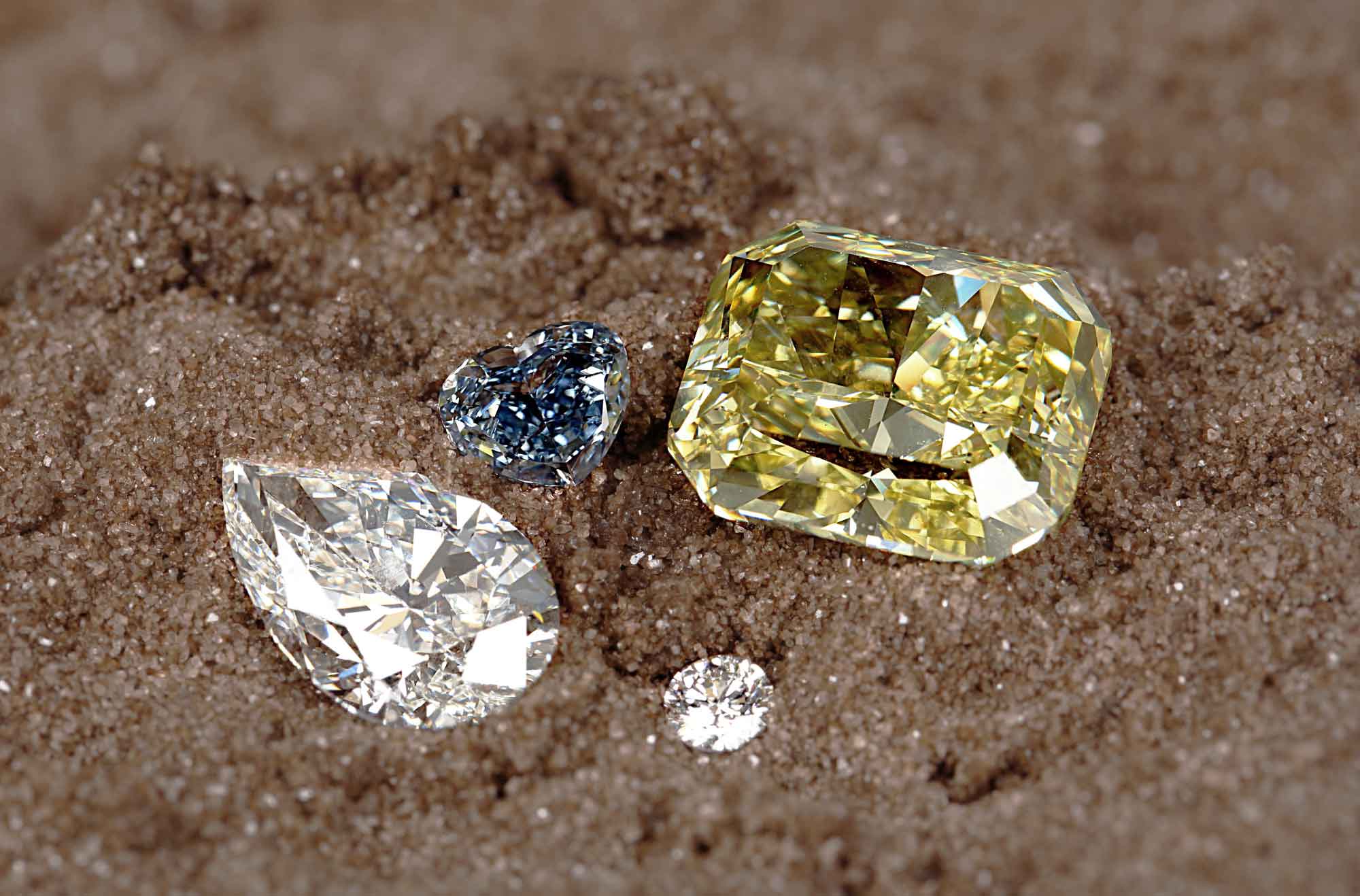
Diamond color grading is based on the G.I.A. letter grading system which starts at D (colorless) and goes through Z (very tinted) and extends into “fancy” colors that are very saturated in color. Diamonds can be colored yellow, grey, brown, or rarer colors such as pink, green, and blue.
For most people, the whiter or more colorless the diamond, the better. Whiter diamonds display a brighter brilliance than “off” colors and all else being similar are therefore more desirable. High colors are rarer than lower colors and are higher price than lower colors as a result.
When buying an engagement ring, every person sees color differently, so it’s essential to see the diamond in person and compare it to other stones of different colors to be sure you are making the best choice for your diamond ring.
Let’s take a look at different diamond colors, how they impact price, and why you might choose them.
Which Diamond Colors Exist in the market?
Diamonds can occur in roughly 30 “base colors” (such as blue, green, and yellow), but many of these colors can appear in a wide spectrum of combinations and intensities. Diamonds can also show secondary hues, such as brownish-yellow or purplish-pink, which influence the overall look and value.
Diamond color is typically described using three key components:
- Hue: the base color (yellow, blue, pink, etc.)
- Tone: how light or dark the color appears
- Saturation: how strong or vivid the color looks
In the natural diamond market, strong color is rare. Truly vivid natural fancy-color diamonds are among the rarest gemstones in the world, which is why they can command extraordinarily high prices. However, colored diamonds are far more accessible through lab-grown diamonds, which have opened the door for many shoppers who want to look for less.
Most Popular Diamond Colors
Today, colored diamonds are more than a trend. They’re a way for couples to personalize an engagement ring and create something that feels distinct.
Here are a few of the most popular color directions shoppers gravitate toward:
Yellow diamonds
Yellow diamonds are one of the most popular colored choices in both natural and lab-grown diamonds. They offer a warm glow that pairs especially well with yellow gold, but also looks striking in platinum or white gold for added contrast.
Yellow diamonds became increasingly visible in engagement ring trends in the mid-2000s, helped in part by celebrity ring culture and higher demand for non-traditional styles. For example, Victoria Beckham’s well-known yellow diamond ring appeared publicly in 2006, helping popularize yellow as a fashionable engagement option.
Pink diamonds
Pink diamonds feel romantic, soft, and modern at the same time. They’ve remained highly desirable for years, partly because they’re rare in natural form.
Lab-grown pink diamonds have made this style far more accessible, allowing couples to choose larger sizes or higher intensity while staying within budget.
Blue diamonds
Blue diamonds can feel bold, modern, and slightly unexpected. In natural form they are exceptionally rare, but lab-grown blue diamonds have become popular for clients who want strong color with a more contemporary feel.
Green, champagne, and other unique shades
Green diamonds (especially softer tones), champagne diamonds, and even “icy” gray diamonds have gained popularity as well. These shades can feel very wearable, and many love how they photograph.
What’s Next After Selecting Diamond Color?
Once you’ve decided on the perfect color, it’s time to consider the rest of the 4 C’s: carat, clarity, and cut.
- Carat: Carat refers to the weight of the diamond, with one carat equaling 200 milligrams. Larger diamonds are rarer and therefore more expensive, with prices rising exponentially as size increases. Consider selecting a carat weight just below popular thresholds (like .9 instead of 1 carat) to maximize value without sacrificing visual impact.
- Clarity: Clarity measures the visibility of a diamond’s natural imperfections—inclusions (inside the stone) and blemishes (on the surface). Graded from Flawless to Included, clarity affects both appearance and price. The location of inclusions matters as much as their quantity, so working with an experienced gemologist can help you find a diamond where imperfections are less noticeable while staying within your budget.
- Cut: Cut evaluates how well a diamond’s facets interact with light, directly impacting its brilliance and sparkle. Unlike the other C’s which depend on natural factors, cut is entirely determined by the diamond cutter’s skill. Graded from Excellent to Poor, a well-cut diamond will maximize light reflection and create stunning sparkle, while a poor cut appears dull regardless of its other qualities. This is one area where it’s worth investing in quality.
How to Clean and Care For a Colored Diamond
Just like any other diamond, a colored diamond is extremely durable. However, it’s still preferable to remove diamond jewelry during any activity that could cause scratches or chips, like yard work, deep cleaning, or working out. If you ever notice a loose stone or hear rattling in the setting, stop wearing the piece and have it inspected by a professional before putting it back on.
You can clean a colored diamond by soaking it in warm water with a mild liquid detergent and a splash of ammonia. Use a soft brush (like a baby toothbrush) to gently loosen any dirt or buildup. Rinse with warm water and pat dry with a lint-free cloth.
If you’re in the Chicago area, we recommend stopping by our studio for a complimentary annual “check-up.” We’ll inspect your setting to ensure stones are secure, then professionally clean your piece so it continues to sparkle like new.
Work With a Chicago Fine Jeweler to Select the Perfect Color
Choosing the right diamond color is a personal decision, and our expert team is here to help guide you through it with clarity and confidence. Whether you already have a specific color in mind or want to compare multiple options side by side, we’ll help you select a stone that fits your style, your setting, and your budget. View our engagement ring lookbook here.
From soft blush pinks to bold fancy yellows, we’ll walk you through the details that matter most, including color intensity, how different metals influence the look, and which shapes best highlight the color you love. Book an appointment with us today!