How to Select Diamond Clarity
When selecting a diamond, one of the first steps is understanding the 4 C’s to determine if the price reflects the value and what you can realistically get within your budget. In this article, we’ll cover the ins and outs of diamond clarity to better prepare you to buy an engagement ring.
What Is Diamond Clarity?
Clarity is a measure of how “clean” a diamond is, typically using the GIA’s scale. To be more exact, diamond clarity refers to the size, number, and location of imperfections.
Inclusions and Blemishes
Internal diamond imperfections are called inclusions, and external imperfections are called blemishes. Inclusions form when small crystals or other minerals become trapped inside the diamond during its formation deep within the earth, creating pressure and irregularities within the stone. Common types of inclusions include crystals, feathers (small fractures), clouds, and pinpoints.
Blemishes, on the other hand, occur on the diamond’s surface and can result from the cutting and polishing process. These may include scratches, nicks, or polish marks.
The Difference Between Diamond Clarity and Color
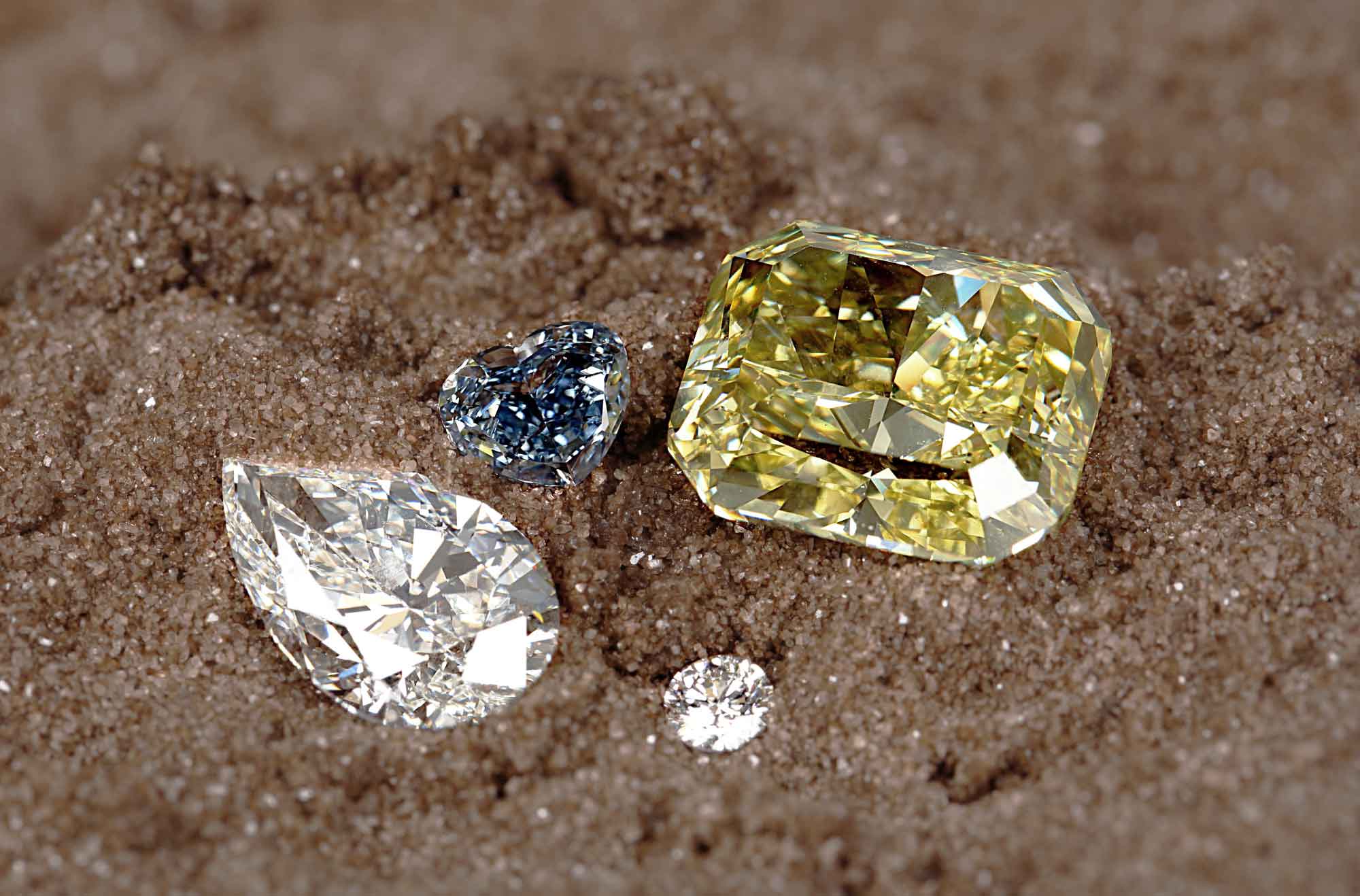
It’s important not to confuse clarity with color—while color refers to the presence of yellow, brown, or other tints in a diamond, clarity deals exclusively with physical imperfections. A diamond can be completely colorless yet have visible inclusions, or conversely, have a noticeable tint while being flawless.
How Diamond Clarity is Graded
Clarity is graded under 10x power magnification, as some imperfections are not visible to the naked eye. The GIA scale ranges from Included (I3) to Flawless (FL).
Clarity grades from good SI1 grades and up should be “eye clean”, or free from visible imperfections. Naturally, the higher the clarity and the rarer the stone, the more precious and valuable it will be.
The most popular clarity range for diamonds is typically in the SI1-VS1 range. In this zone, the gem will be visibly clean in a reasonable budget.
How Diamond Cut Impacts Clarity
Different diamond cuts interact with light in ways that can either hide or reveal inclusions. An experienced jeweler can help you understand how your chosen cut affects the clarity grade you’ll need.
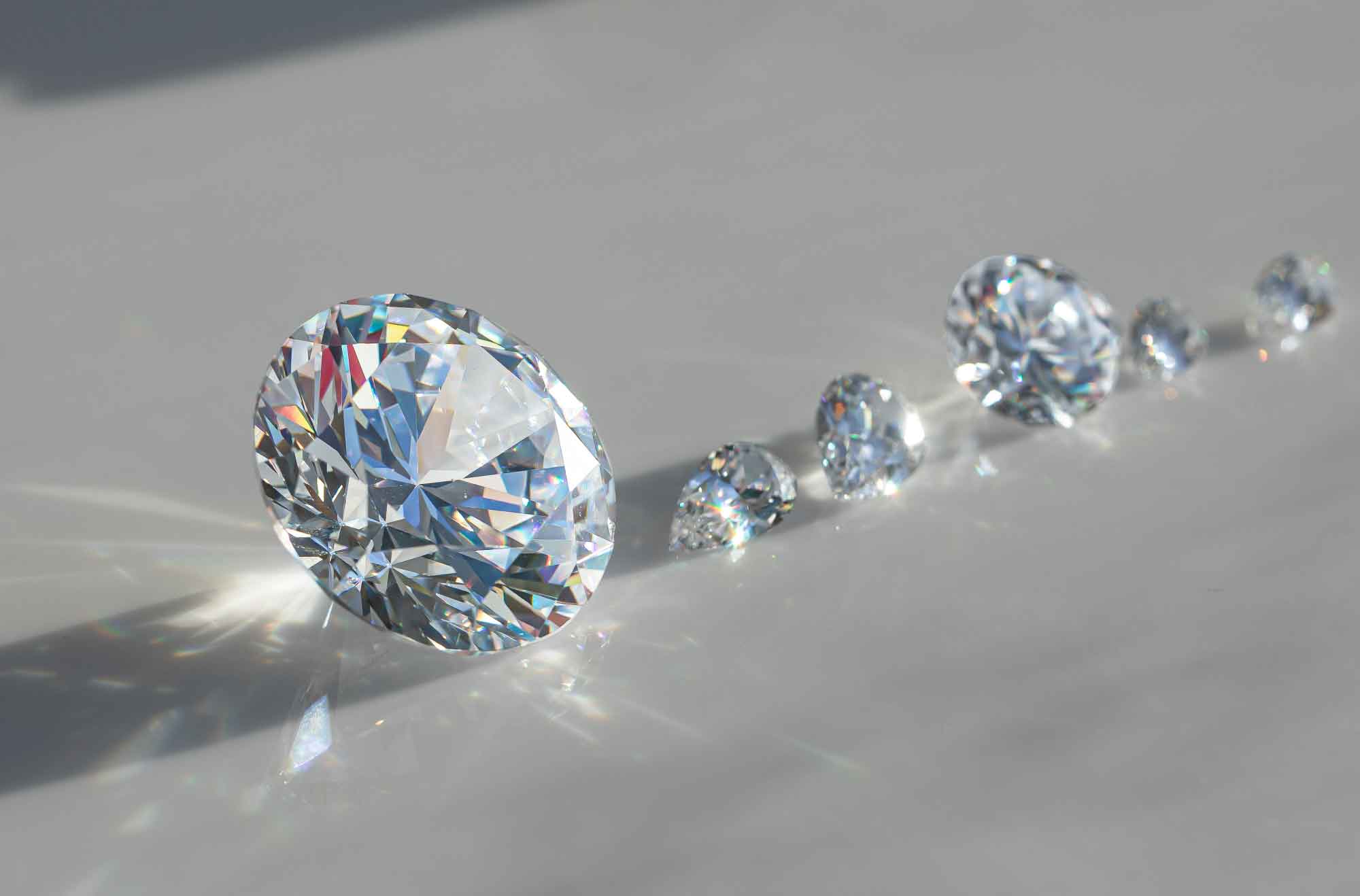
Brilliant cut diamonds like round, princess, and cushion cuts have numerous facets that reflect light in multiple directions. This scatters light throughout the stone, naturally disguising inclusions and making lower clarity grades appear eye-clean.
Step cut diamonds like emerald and asscher feature large, open facets that act like windows into the stone. These cuts offer less brilliance and more transparency, making inclusions more visible. For step cuts, you’ll typically need a higher clarity grade (VS2 or better) to achieve an eye-clean appearance.
Other Factors that Impact Clarity
The way a diamond is set can significantly impact which inclusions are visible to the eye. A strategic setting choice can help you maximize your budget by concealing minor imperfections.
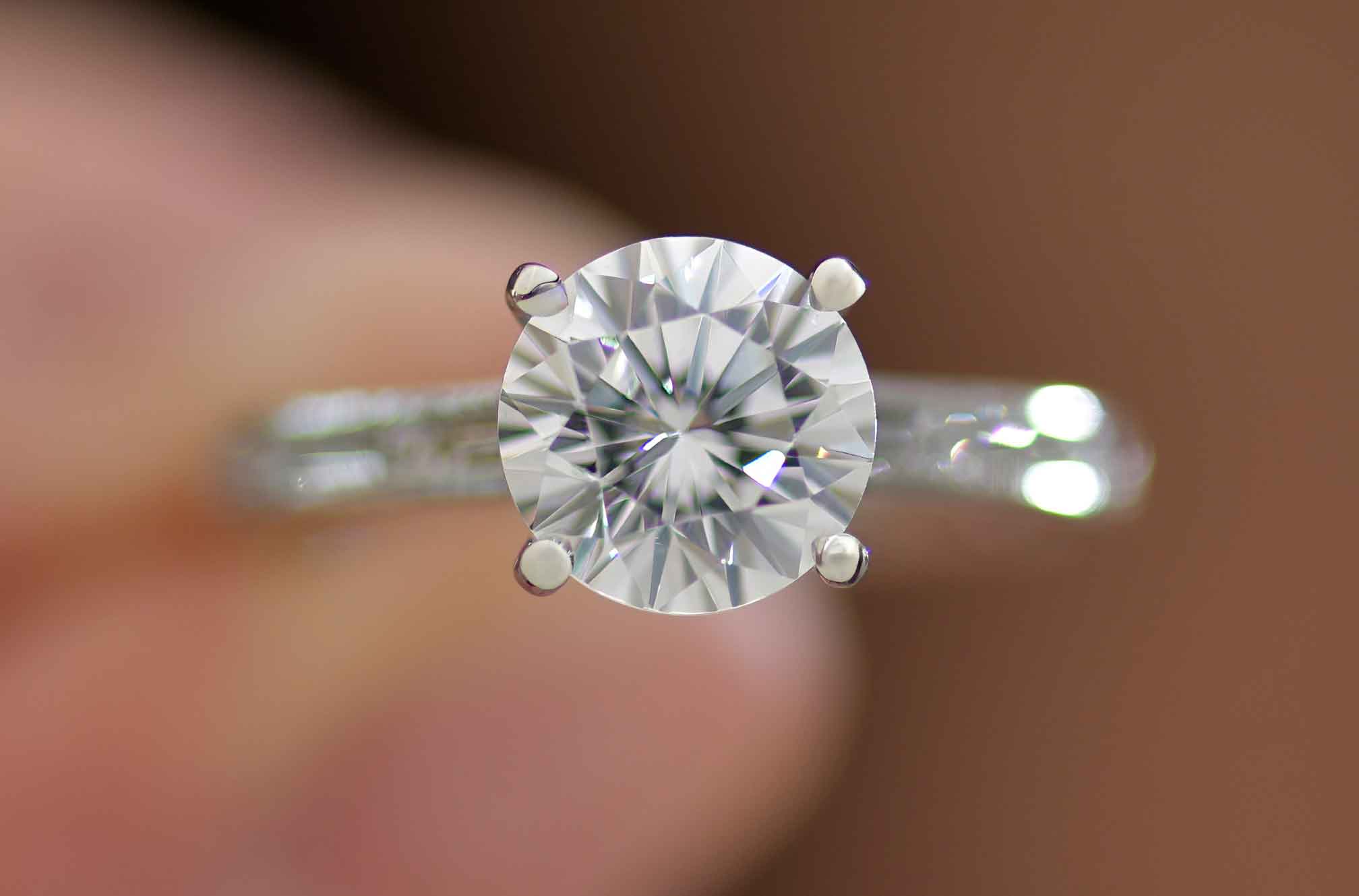
Prong settings, the most popular choice for engagement rings, use metal claws to hold the diamond in place. While they allow maximum light to enter the stone, prongs can be strategically positioned to cover inclusions near the diamond’s edges. A skilled jeweler can orient the diamond so that prongs hide visible flaws.
Bezel settings surround the diamond’s perimeter with a metal rim, offering the most coverage of any setting style. This can effectively hide inclusions along the girdle (outer edge) of the diamond, allowing you to choose a lower clarity grade while maintaining an eye-clean appearance.
Additionally, halo and pave settings surround the center stone with smaller diamonds, drawing the eye away from the main diamond’s inclusions. The additional sparkle creates a distraction effect that makes minor imperfections less noticeable.
Diamond Price and Clarity
Clarity significantly impacts diamond pricing, though cut and carat weight often have more dramatic effects on cost and appearance. Generally, cut has the most dramatic effect on a diamond’s beauty and sparkle, while carat weight tends to have the greatest impact on price due to the exponential increase in cost as diamonds get larger. Color and clarity fall somewhere in between, affecting both appearance and value.
Lab-grown diamonds, which are still graded on the same GIA scale, are a way to maximize clarity (or any of the 4 C’s for that matter) at a lower price point than natural diamonds.
Find a Diamond with Optimal Clarity
Our diamond experts can guide you to find the diamond or gemstone that will be the best fit based on style, cut, color and value. You can begin with our diamond search tool or schedule a consultation to speak with one of our expert gemologists directly.