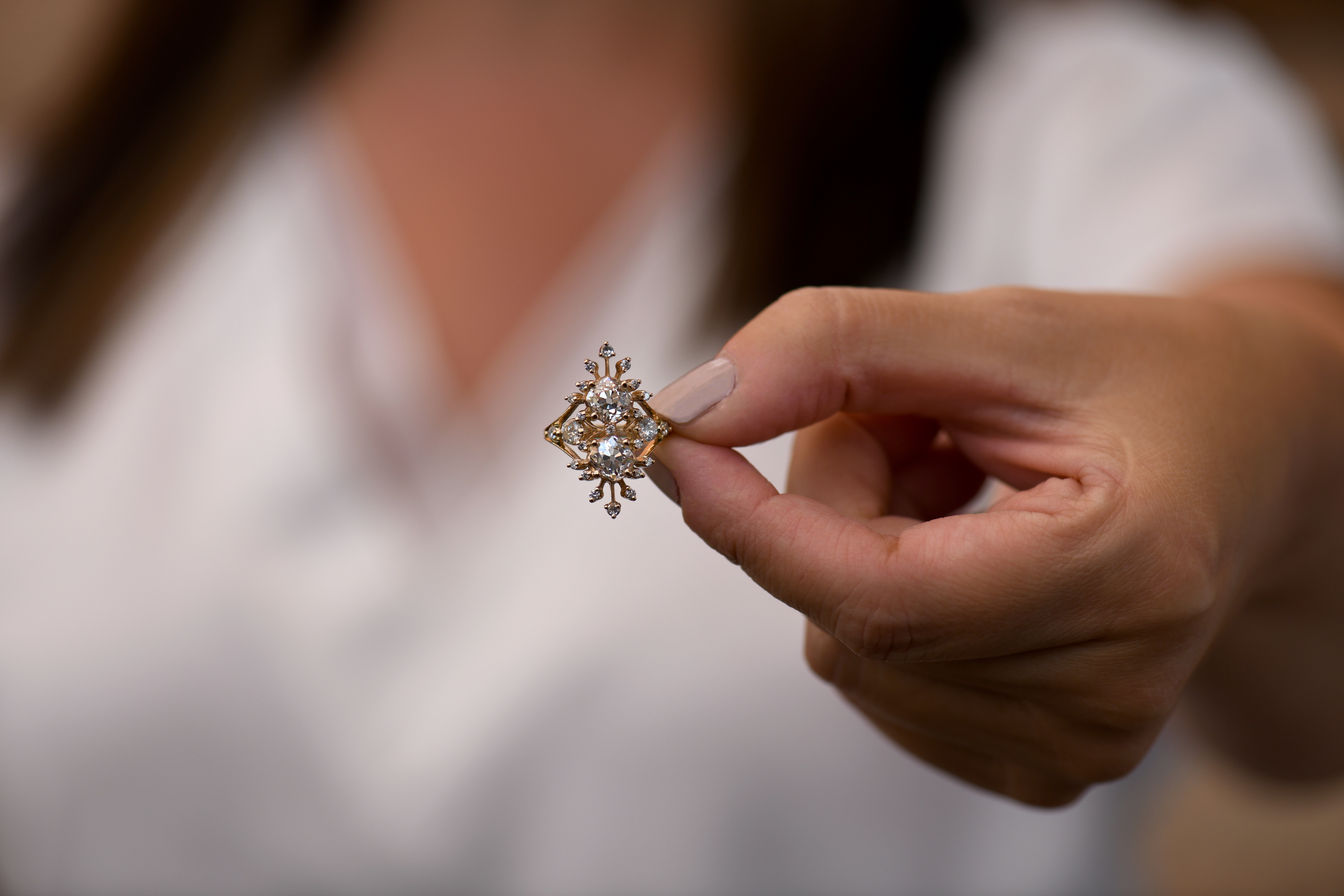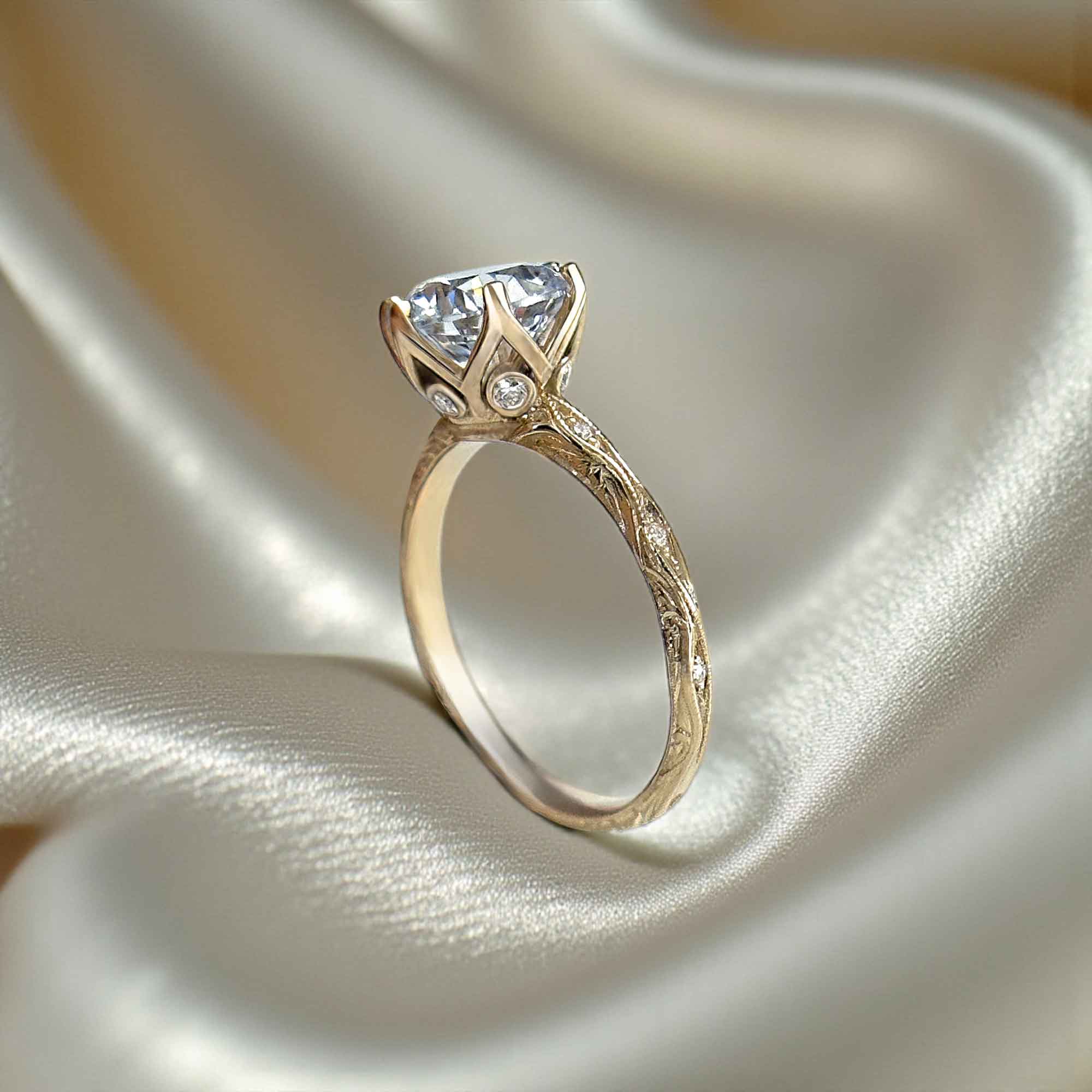
What is Fine Jewelry?
We often hear terms like “fine jewelry,” “high end jewelry,” and “luxury jewelry” thrown around the industry. But what actually earns a piece the “fine jewelry” label? You might wonder whether brands are making broad claims to justify a higher price point, or whether these terms carry any weight.
Fine jewelry is more than a marketing term or a reflection of price. The distinction comes down to the materials, craftsmanship, construction, and longevity of a piece. Understanding what qualifies as fine jewelry can help you recognize quality, compare pieces more confidently, and choose jewelry designed to last for generations.
Defining Fine Jewelry Beyond Price
It’s easy to assume that “fine jewelry” just means “expensive jewelry,” but price is actually a byproduct of what goes into a piece. Fine jewelry is defined by:
- Use of precious materials: Fine jewelry uses solid gold (typically 14-24k), platinum, or sterling silver. In contrast, fashion jewelry uses plated base metals.
- Use of gemstones: Fine jewelry incorporates diamonds, sapphires, rubies, emeralds, and other precious stones. It might also incorporate semi-precious stones like amethysts or opals. Basic jewelry, on the other hand, may use glass, crystal, or synthetic imitations.
- Skilled craftsmanship: Fine jewelry is often cut, set, and finished by trained jewelers, rather than stamped out on an assembly line.
- Durability: Fine jewelry is built to be worn for decades; gold will not corrode, sterling silver will not tarnish, and natural gemstones will not cloud or lose color. Pieces may be repaired, resized, and passed down, rather than replaced each season.
As a general rule, any incorporating a gemstone or set in solid gold, platinum, or sterling silver is considered fine jewelry. That said, a simple hand-engraved gold cuff could still be considered fine jewelry for its craftsmanship.


Hallmarks: How to Verify Fine Jewelry
One of the easiest ways to confirm a piece is genuinely fine jewelry is to look for its hallmarks, or small stamps that indicate the meta purity or maker. Gold is typically stamped with its karat purity, like 14k, 18k, or 24k. Platinum is often marked “PLAT” or “950.” Sterling silver carries a “925” stamp, indicating 92.5% pure silver.
You can usually find these stamps on the inside of a ring band, the clasp of a necklace or bracelet, or the post of an earring. If you don’t see a hallmark at all, it’s safe to assume the piece is plated or base metal rather than solid precious metal.
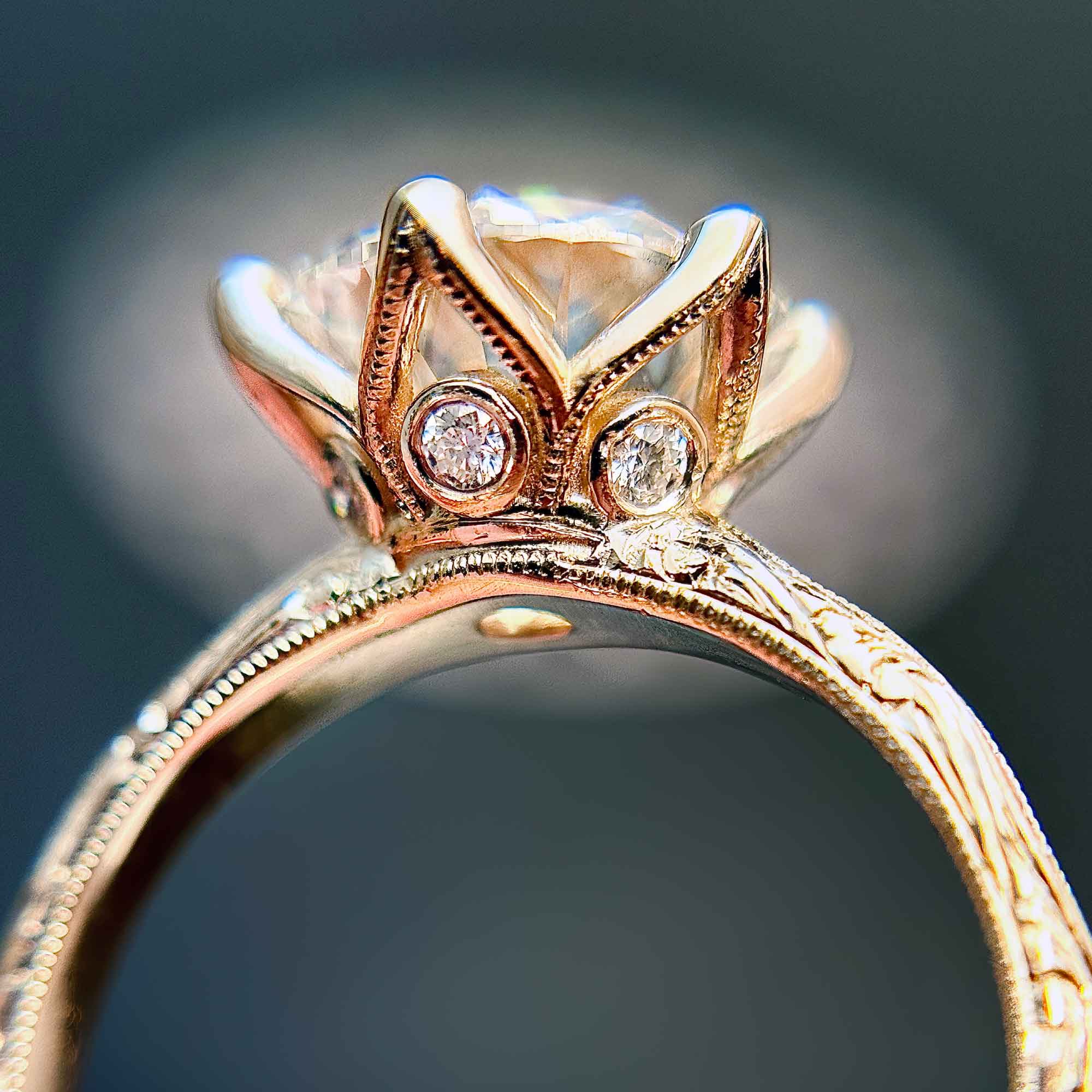
Further, you can often tell if fine jewelry is genuine by closely examining the build. Fine jewelry tends to feel more substantial for its size, with clean, precise stone-setting and finished, seamless edges. Mass-produced pieces often show visible glue, uneven prongs, or rough seams.
Fine Jewelry vs. High Jewelry
While “fine jewelry” and “high jewelry” may be used interchangeably, they’re not necessarily the same. Fine jewelry covers a broad category: any piece made with genuine precious materials and real craftsmanship, from a simple diamond stud to an elaborate custom engagement ring. High jewelry is an even more exclusive category, one of a kind or extremely limited production pieces often made using rare or exceptional gemstones with hundreds of hours of hand craftsmanship behind a single piece. High jewelry is closer to wearable art than everyday fashion. Not all fine jewelry rises to this level.
Fine Jewelry and Value Retention
Unlike costume or fashion jewelry, which is designed to be worn for a season, fine jewelry can hold or appreciate in value over time. That’s why many people are even turning to jewelry investments to diversify their portfolio. Factors that drive value retention include material scarcity, certification and documentation, craftsmanship, brand, and condition.
Interested in Fine Jewelry in the Chicago area?
If you’re interested in creating an heirloom piece, custom engagement ring, or other fine jewelry, the team at Christopher Duquet is happy to guide you. Our inhouse master goldsmiths, graduate gemologists, and jewelry designers are excited to collaborate with you to create a truly special piece.
Fine Jewelry FAQs
What is cocktail, costume, or fashion jewelry?
Cocktail, costume, and fashion jewelry are typically bold, statement-making pieces made from affordable materials like base metals, crystals, glass, or simulated stones. They’re a great fit if you love following trends and switching up your look often, since they’re less expensive than fine jewelry.
Is fine jewelry worth the cost?
It depends on what you’re looking for. Fine jewelry costs more upfront, but it’s built to last, can be repaired and resized rather than replaced, and generally retains value over time. The cost per wear balances out over time, and they may hold sentimental value as an heirloom. Costume jewelry is cheaper to buy but typically has a short lifespan and essentially no resale value. If you want to experiment with trends, costume jewelry may be sensible.
Are lab-grown diamond pieces considered fine jewelry?
Yes, lab-grown diamonds are chemically, physically, and optically identical to natural diamonds. The difference is how they’re formed, not what they’re made of. A piece set with a lab-grown diamond in solid gold or platinum still qualifies as fine jewelry, even though it costs less than a diamond would.
How can I tell if a piece is fine jewelry before purchasing?
Check for metal hallmarks (like 18k, PLAT, or 925), ask whether any gemstones are real or simulated, and look at the overall construction quality carefully. Look for clean settings, solid weight, and no visible glue or seams. Reputable jewelers should be able to answer these questions directly and provide documentation or certification for diamonds and precious gemstones.